

Views: 0 Author: Site Editor Publish Time: 2026-03-02 Origin: Site
A guest stepping into a hotel room often notices small details before anything else. The softness of the bed, the cleanliness of the bathroom, and even the pair of slippers waiting beside the bed can shape the first impression of comfort and care. Among these details, Disposable Slippers play a surprisingly important role. They offer guests a sense of hygiene, relaxation, and hospitality within seconds of arrival. For modern hotels, however, slippers are no longer only about comfort. Increasingly, they also represent sustainability choices, operational efficiency, and the overall brand image a hotel wants to communicate.
Eco-friendly options are now gaining attention because they combine guest comfort with responsible material choices and practical operational benefits. The goal is not simply to replace traditional slippers with greener versions, but to choose designs that work smoothly in real hospitality environments. Hotels today need slippers that look appealing, feel comfortable, support housekeeping workflows, and align with sustainability initiatives at the same time.
Guests traveling today often arrive with higher expectations than before. Comfort remains essential, but many travelers also appreciate hotels that demonstrate environmental awareness. Even a small amenity like slippers can communicate thoughtful hospitality when designed responsibly.
Eco-conscious travelers increasingly notice details such as recyclable packaging, natural materials, and minimal waste. When disposable slippers reflect these ideas, they reinforce the perception that a hotel cares about both guest comfort and responsible resource use. For hotels competing in a crowded market, these subtle signals can influence reviews and guest loyalty.
Guests typically interact with room amenities immediately after arrival. Slippers are often used within minutes, especially after long travel days. Because of this, the quality of the slippers becomes part of the first tactile experience inside the room.
A thin or uncomfortable pair of slippers may create the impression that the hotel is cutting corners. On the other hand, a soft and thoughtfully designed pair can instantly elevate the room experience. Hotels that invest in well-made disposable slippers are essentially investing in those first few moments that define the guest’s perception of quality.
Hospitality design is increasingly about creating consistent experiences. Hotels carefully select bedding, lighting, scents, and even welcome amenities to communicate their brand identity.
Slippers contribute to this identity. A luxury resort may prefer thicker cotton slippers with a closed-toe design, while a modern boutique hotel might choose minimalist waffle-texture styles that look clean and contemporary. Eco-friendly materials further reinforce brand values centered on sustainability and responsible hospitality.
Eco-friendly disposable slippers typically rely on materials that reduce environmental impact without sacrificing comfort. Natural cotton fabrics, recycled textile fibers, and responsibly sourced materials are commonly used in hospitality programs seeking greener alternatives.
Cotton terry and cotton waffle fabrics are particularly popular because they are breathable and familiar to guests. Some programs also explore recycled or bio-based components for slipper soles or packaging materials.
However, the most effective eco-friendly designs focus on practical sustainability rather than marketing claims. The materials must remain durable enough for real use while reducing unnecessary waste.
Another key factor in eco-friendly design is packaging. Hotels handle large volumes of room amenities, and excessive packaging quickly creates waste.
Efficient packaging formats allow hotels to reduce material usage while simplifying storage and housekeeping workflows. Compact packing and organized carton labeling also make inventory management easier, especially for hotels managing multiple properties or high room turnover.
By improving packaging efficiency, hotels can reduce waste and improve operational efficiency at the same time.
Environmental responsibility does not mean compromising guest comfort or safety. A slipper that looks sustainable but feels uncomfortable will ultimately harm guest satisfaction.
Eco-friendly slippers used in hotels must still meet hospitality performance requirements. These include breathability, reliable stitching, adequate sole thickness, and good slip resistance on bathroom floors.
When sustainability and comfort work together, hotels achieve both guest satisfaction and environmental goals.
Choosing the right material depends on the hotel concept, room positioning, and expected guest experience.
Cotton terry slippers are widely used in upscale hotels because they feel soft and familiar. The fabric absorbs moisture well and provides a comfortable texture against the skin.
For resorts, spas, and premium guest rooms, terry slippers reinforce the feeling of relaxation. They pair naturally with plush bath towels and bathrobes, creating a consistent bathroom experience.
Waffle-textured slippers have become increasingly popular in modern hotels. Their lightweight structure makes them easier to store and transport while still maintaining a clean and stylish appearance.
Many boutique hotels prefer waffle slippers because they complement minimalist interior design while still offering comfort.
Some hotels implementing sustainability programs choose slippers made with recycled fibers or bio-based materials. These options allow hotels to reduce resource consumption while maintaining hygiene and comfort.
For properties that actively promote sustainability initiatives, such slippers align well with broader environmental strategies.
Closed-toe slippers are often used in luxury hotels because they appear more complete and premium. They also provide slightly better warmth and coverage.
Open-toe slippers remain common in warm climates, resort environments, or standard rooms where breathability and simplicity are prioritized.
Selecting the right design helps hotels match slippers to their room categories and guest expectations.
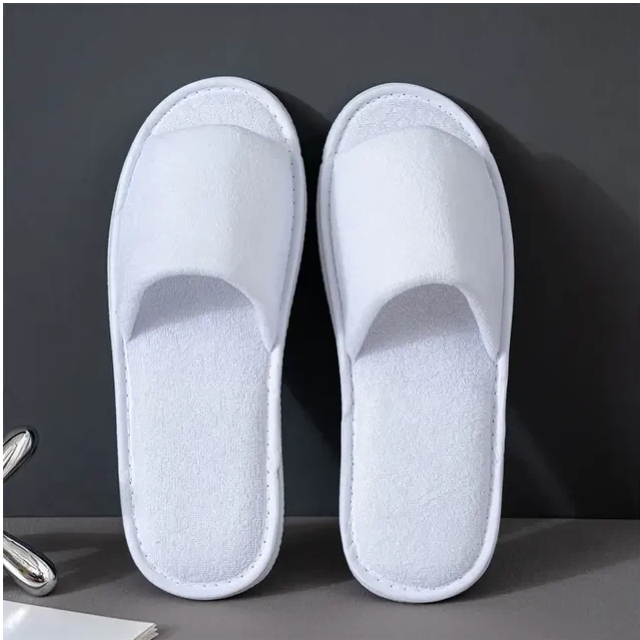
Disposable slippers are usually worn for limited periods, but comfort remains essential. Breathable fabrics help keep feet cool and prevent discomfort during extended use.
Materials such as cotton terry and waffle fabric perform well because they allow airflow while maintaining softness.
The thickness of the sole significantly affects comfort. Extremely thin soles may feel flimsy and fail to provide sufficient cushioning.
Moderate sole thickness ensures that guests feel supported when walking around the room or bathroom. This small improvement can noticeably enhance the overall experience.
Bathrooms can be slippery, especially when floors become wet. Slippers designed with anti-slip soles improve safety and help prevent accidents.
Reliable traction is therefore a key design consideration for hospitality slippers.
Eco-friendly disposable slippers are not only beneficial for guests. They also support smoother hotel operations.
Hotels operating multiple properties often aim to standardize guest amenities. Using consistent slipper designs simplifies procurement and ensures uniform guest experiences.
Standardization also makes future replenishment easier because the same specifications can be reordered without complicated adjustments.
Housekeeping teams manage large numbers of rooms daily. Organized packaging formats allow slippers to be distributed efficiently during room preparation.
Predictable packaging also reduces storage complexity and speeds up housekeeping workflows.
Hotels opening new properties or renovating rooms often require amenities to be delivered in phases. Flexible supply arrangements allow slippers to be packaged, labeled, and delivered according to project timelines.
This flexibility helps hotels maintain smooth operations even during large projects or expansions.
Different hotel categories benefit from different slipper styles.
Standard rooms typically prioritize cost efficiency while maintaining acceptable comfort. Lightweight waffle slippers or simple cotton designs often work well for these environments.
Boutique hotels often focus on visual identity and guest experience. Textured fabrics, clean stitching, and minimalist designs help slippers align with the hotel's design concept.
Resorts and wellness hotels frequently choose thicker cotton terry slippers to reinforce relaxation and comfort. These styles complement spa environments and premium bathroom setups.
Cruise ships and serviced apartments must manage storage space carefully. Lightweight slippers that pack efficiently can reduce storage requirements while still delivering a comfortable experience.
Property Type | Preferred Material | Guest Expectation | Operational Priority | Recommended Slipper Style |
Business Hotel | Waffle fabric | Clean and simple comfort | Cost efficiency | Lightweight open-toe |
Boutique Hotel | Textured cotton | Stylish presentation | Visual consistency | Waffle closed-toe |
Resort / Spa | Cotton terry | Soft premium feel | Guest comfort | Thick closed-toe |
Cruise Cabin | Lightweight cotton | Practical comfort | Space efficiency | Compact open-toe |
The most effective eco-friendly slippers for modern hotels are not the ones that simply claim sustainability, but those that balance guest comfort, visual appeal, operational practicality, and responsible materials. Well-designed slippers can enhance the guest experience while supporting housekeeping efficiency and consistent procurement planning.
Easton Hotel Supplies specializes in providing complete hotel room solutions, including thoughtfully designed disposable slippers suitable for different hotel concepts. With a wide range of materials, thickness options, and packaging formats, our team helps hospitality projects match slippers to their room standards while maintaining reliable supply and consistent quality. If your property is planning upgrades or new openings, feel free to contact us to explore suitable hotel disposable slippers options that align with your guest experience goals.
Most eco-friendly disposable slippers use cotton-based fabrics such as terry or waffle textures. Some designs also include recycled or bio-based materials to reduce environmental impact while maintaining comfort.
Yes. Well-designed disposable slippers use breathable fabrics and cushioned soles that provide sufficient comfort for walking around the room. Many hotels select cotton terry or waffle styles to ensure a pleasant feel.
Closed-toe slippers often appear more premium and provide better coverage and warmth. They are commonly used in upscale rooms, resorts, and colder climates where guests expect a more complete in-room experience.
Hotels often choose a consistent slipper specification that matches their brand positioning and room categories. Standardizing design, packaging, and materials simplifies procurement and ensures consistent guest experiences across locations.


