

Views: 0 Author: Site Editor Publish Time: 2026-03-06 Origin: Site
Every hotel procurement team eventually faces the same dilemma: a product that appears inexpensive on paper may create unexpected problems in real operations. Slippers are a typical example. Many properties initially select the lowest-priced option, only to later discover complaints about comfort, inconsistent sizing, or safety on bathroom floors. When guests slip, when housekeeping struggles with packaging, or when the slipper style does not match the room category, the overall cost quickly becomes higher than expected. A careful Disposable Slippers purchasing decision helps hotels avoid these issues while ensuring guests enjoy a comfortable and hygienic stay.
For the hospitality industry, slippers are not merely a small accessory placed beside the bed. They are part of the overall guest room experience and also an operational item that must perform reliably every day. Hotels that evaluate slippers based on property type, product specifications, safety standards, logistics planning, and long-term procurement strategies are far more likely to achieve consistent guest satisfaction. This guide explains how hospitality buyers can evaluate disposable slippers from a practical perspective and select solutions that support both guest comfort and operational efficiency.
Every property category has different priorities. Business hotels and urban accommodation often focus on efficiency, consistency, and predictable operating costs. Guests in these environments typically expect clean, comfortable amenities without unnecessary luxury.
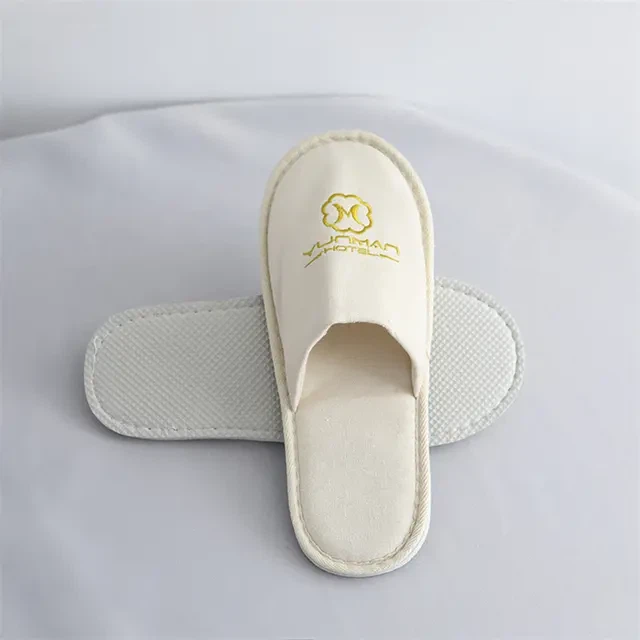
For these properties, disposable slippers should be lightweight, easy to store, and simple to distribute during room preparation. Materials such as waffle fabric or lightweight cotton are commonly used because they offer acceptable comfort while remaining cost-effective.
Business hotels also benefit from standardized designs that simplify inventory management. When slippers are consistent across all rooms, housekeeping teams can prepare rooms faster and reduce errors during replenishment.
Resorts and spa-oriented hotels place greater emphasis on comfort and relaxation. Guests visiting these properties often spend more time inside their rooms or wellness areas, which increases the importance of comfortable slippers.
Thicker cotton terry slippers are commonly used in these environments because they feel soft and absorb moisture well. They also complement other bathroom textiles such as bathrobes and plush towels.
In these settings, slippers become part of the overall leisure experience rather than simply a practical amenity.
Serviced apartments and cruise cabins present unique operational challenges. Storage space is often limited, and inventory must be carefully managed to support longer stays.
Compact slippers that pack efficiently are often preferred for these environments. Lightweight designs allow operators to maintain adequate stock without occupying excessive storage space.
Durability and consistent sizing are also important because guests may use the slippers repeatedly during their stay.
Material selection is the most visible characteristic of a disposable slipper. Guests immediately notice how the surface feels against their skin.
Cotton terry slippers provide a soft, plush texture that feels similar to bath towels. This makes them suitable for upscale environments where comfort is a priority.
Waffle fabric slippers offer a lighter and more modern appearance. Their textured surface provides breathability and maintains a clean visual style that fits contemporary hotel design.
Hotels should select materials that align with both guest expectations and operational requirements.
The thickness and construction of the sole affect both comfort and durability. Very thin soles may feel unstable or uncomfortable, especially on hard flooring surfaces.
Moderate sole thickness provides cushioning and improves the walking experience inside the room. It also helps slippers maintain their shape during use.
Hotels must balance comfort with storage efficiency, as thicker slippers occupy more space in inventory.
Toe design influences both appearance and functionality. Closed-toe slippers generally look more complete and are often used in luxury environments or colder climates.
Open-toe slippers allow more airflow and are common in warmer regions or resort settings. They are also slightly lighter and easier to store.
Selecting the correct design depends on climate, guest expectations, and room positioning.
Disposable slippers must fit a wide range of guests comfortably. Consistent sizing ensures that most guests can use the slippers without discomfort.
Standardized size specifications also simplify procurement because hotels can order large quantities without worrying about variation between batches.
Reliable manufacturing standards help maintain this consistency.
Bathrooms are one of the most accident-prone areas in a hotel room. Water on the floor can create slippery conditions, especially on tile surfaces.
Disposable slippers with anti-slip soles significantly reduce the risk of accidents. Textured sole materials help guests maintain stability while walking.
For hotels, prioritizing slip resistance is both a safety measure and a way to reduce potential liability.
Guests expect room amenities to appear clean and untouched. Individually packaged slippers reinforce the perception of hygiene and professionalism.
Proper packaging also protects slippers during storage and transportation, ensuring they remain in good condition until used.
Hotels that present well-packaged amenities communicate attention to detail and guest care.
Travelers often judge cleanliness through visual cues. Freshly packaged slippers placed neatly beside the bed or inside a wardrobe create an impression of thoughtful preparation.
Visible hygiene measures reassure guests that the room has been carefully prepared for their arrival.
The cheapest slipper option may appear attractive during purchasing negotiations, but hidden costs can arise if the product fails to meet expectations.
If slippers tear easily or feel uncomfortable, guests may request replacements. This increases consumption and raises the effective cost per room.
Higher-quality slippers may reduce replacement frequency and ultimately provide better value.
Hotels must align amenity quality with room pricing. Premium suites should offer slippers that match the elevated expectations of guests paying higher rates.
Standard rooms may use simpler designs that maintain comfort without increasing operational costs.
Matching slipper grade to room positioning ensures that guests receive an experience appropriate to their booking level.
While premium slippers improve comfort, excessive specifications can increase procurement expenses unnecessarily.
Hotels should avoid selecting luxury-level slippers for every room if the majority of guests will not notice the difference. Strategic allocation of different slipper grades across room categories helps maintain healthy margins.
Hotels managing large inventories benefit from clearly labeled cartons and organized packaging systems. Proper carton marking allows staff to identify product specifications quickly.
Efficient packaging improves warehouse operations and reduces the risk of confusion during distribution.
New hotel projects often open in stages. Slippers and other amenities may need to be delivered according to installation schedules rather than in a single shipment.
Flexible delivery arrangements help hotels receive products when they are needed without overwhelming storage capacity.
Hotel groups with multiple locations often standardize amenity specifications. This approach simplifies procurement because the same product can be used across several properties.
Standardization also ensures that future replenishment orders remain consistent with the original design.
Slippers are often used together with bath towels, hand towels, and other bathroom textiles. When these items share similar materials or visual styles, the room feels more coordinated.
For example, cotton terry slippers naturally complement plush bath linen sets.
In premium rooms, slippers are frequently paired with bathrobes to create a spa-like environment. Guests appreciate the convenience of having coordinated relaxation amenities available in their room.
This combination enhances comfort and encourages guests to enjoy the in-room facilities.
Hotels that plan amenities as a unified package often simplify procurement processes. Instead of sourcing each product separately, they can align specifications for slippers, bath linen, and other accessories.
Bundled planning ensures that all room items match visually and functionally.
Buying Factor | Why It Matters | Best Question to Ask Suppliers | Impact on Guest Experience | Impact on Operations |
Material | Determines comfort and appearance | What fabric options are available? | Softness and comfort | Inventory consistency |
Sole Design | Influences safety and durability | Does the sole provide slip resistance? | Guest safety | Reduced liability |
Packaging | Affects hygiene perception | Are slippers individually packaged? | Clean presentation | Easier storage |
Size Consistency | Ensures universal fit | Are sizes standardized? | Better usability | Simplified procurement |
Logistics | Supports project schedules | Can deliveries be phased? | Reliable availability | Efficient inventory |
A slipper that looks appealing may not always perform well in daily use. Procurement teams should evaluate comfort, durability, and safety rather than relying solely on visual design.
Housekeeping teams interact with slippers every day. If packaging is inconvenient or products are difficult to distribute, staff efficiency may decline.
Consulting operational teams during product selection helps avoid such problems.
Some hotels introduce too many slipper variations across different room types. This increases complexity and makes inventory management difficult.
Maintaining a limited number of standardized designs simplifies logistics and reduces procurement challenges.
Selecting the right disposable slippers for hospitality projects requires balancing three essential factors: guest comfort, room positioning, and supply reliability. A well-chosen slipper improves the guest experience while supporting efficient hotel operations. When hotels evaluate slippers based on property type, safety features, material quality, and logistics planning, they create a stronger foundation for consistent service standards.
Easton Hotel Supplies is dedicated to making hotel procurement easier by providing comprehensive room solutions, including well-designed disposable slippers that meet real hospitality requirements. Our products are available in different materials, thickness levels, and packaging formats to suit diverse property types and project scales. If your hotel is planning upgrades, renovations, or new openings, our team can assist you in identifying the most suitable hotel disposable slippers for your guest rooms. Contact us to discuss your project requirements and explore tailored solutions for hospitality operations.
Hotels should start by evaluating the property type and room category. Business hotels, resorts, and serviced apartments have different operational needs, so selecting slippers based on usage environment ensures better results.
Not necessarily. Thicker slippers provide more comfort but require more storage space and higher costs. Hotels should match slipper thickness to room positioning and guest expectations.
Slip-resistant soles improve guest safety, especially in bathroom areas where floors may be wet. This feature reduces the risk of accidents and contributes to a safer guest environment.
Standardizing slipper specifications across rooms or properties helps simplify procurement. Consistent designs make inventory management easier and ensure reliable replenishment.


