

Views: 0 Author: Site Editor Publish Time: 2026-03-09 Origin: Site
Have you ever wondered why hotel beds feel so comfortable and inviting? Crisp sheets, fluffy pillows, and smooth layers instantly create a relaxing atmosphere. This carefully arranged setup is known as hotel bedding, and it turns a simple bed into a luxurious sleep space.
Hotel beds stand out because every layer follows a structured method. High-quality sheets, balanced pillow arrangements, and clean presentation all work together. Many hotels also rely on coordinated hotel bedding sets produced by hospitality suppliers such as Easton to maintain consistent comfort and durability. In this article, you will learn how to recreate this hotel-style bed at home. We will explore the essential bedding foundation, layering techniques, and finishing touches that help achieve the clean, polished look of professional hotel bedding.
A well-prepared mattress creates the foundation of luxury hotel bedding.
Hotels normally begin with:
● A mattress protector to maintain hygiene and extend mattress life
● A plush mattress topper to add softness and pressure relief
● A smooth mattress surface free of wrinkles or debris
A topper plays an important role. It adds cushioning without replacing the support of the mattress. Many upscale hotels use down-alternative or memory foam toppers to achieve that signature cloud-like feeling.
Sheets define the feel of hotel collection bedding sets. Most hotels prefer white sheets because they highlight cleanliness and match any room design.
Common materials include:
Fabric Type | Benefits | Typical Use |
Cotton Percale | Crisp, cool texture | Luxury hotels |
Cotton Sateen | Soft, silky feel | Boutique hotels |
Cotton Blend | Durable and affordable | High-traffic rooms |
Thread count matters, but fabric quality matters more. Good cotton fibers create a smoother surface and last longer through frequent washing.
Presentation matters in hotel bedding. Even the best sheets lose their luxury look if they appear wrinkled.
Hotels often use simple finishing techniques:
● Light ironing or steaming before use
● Tight sheet placement to prevent movement
● Smooth hand-pulling across the mattress
These small details help create the refined appearance associated with best hotel bedding.
Note: Crisp presentation signals cleanliness. Guests often judge room quality within seconds of seeing the bed.
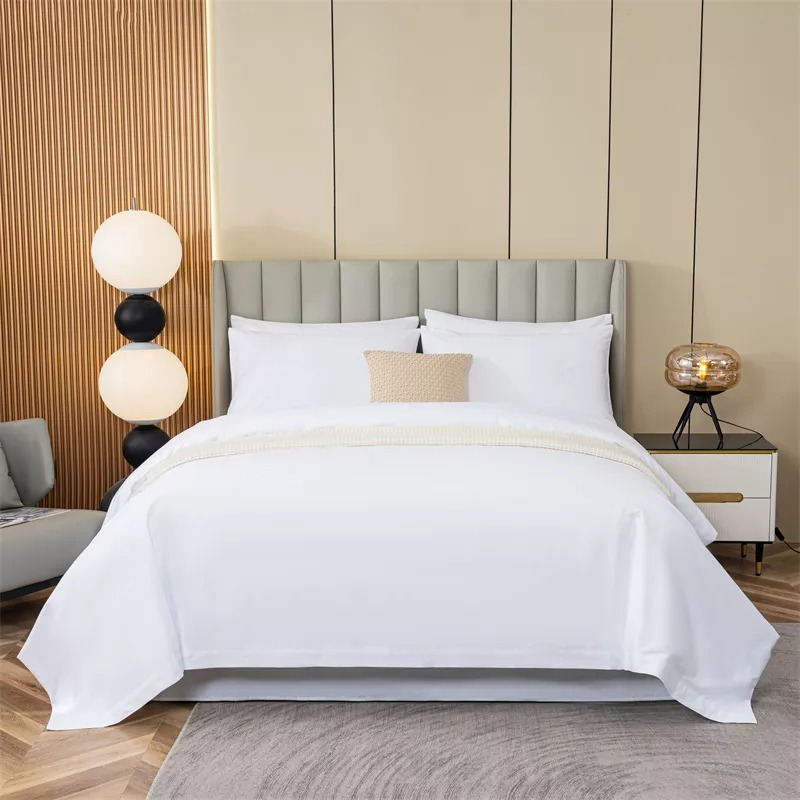
The signature hotel look comes from precise layering. Many hotels follow a structured process to achieve consistent results.
Begin with a clean fitted sheet pulled tightly around the mattress. Each corner should fit securely.
This step:
● Prevents fabric bunching
● Creates a flat base for additional layers
● Keeps the bed comfortable throughout the night
A properly stretched sheet is essential for achieving hotel quality bedding.
Next, place a flat sheet on top of the fitted sheet.
Make sure it:
● Aligns evenly across the mattress
● Hangs evenly on both sides
● Remains smooth without folds
Hotels often place the sheet upside down so the decorative edge appears when folded.
Now add the duvet or blanket. This layer provides warmth and volume.
A few tips used in luxury hotel bedding setups:
● Position the duvet slightly below the mattress top
● Use inserts slightly larger than the duvet cover
● Smooth the fabric to avoid bunching
This creates the full, fluffy look common in hotel bedding sets.
A second flat sheet goes over the duvet.
Hotels use this step to create a triple-sheet system, where the guest sleeps between sheets rather than directly under the duvet.
Benefits include:
● Easier laundry cycles
● Cleaner duvet inserts
● Faster room turnover
At the head of the bed, fold the top sheet over the duvet.
This produces the familiar layered appearance seen in luxury hotels. The fold also keeps the duvet neatly tucked under the sheets.
Hospital corners complete the professional look.
To create them:
1. Lift the side of the sheet at the mattress corner
2. Fold the excess fabric into a triangle
3. Tuck the bottom portion under the mattress
This technique keeps all layers tight and structured.
Tip: Pull the sheets firmly before tucking. A tight finish is one of the biggest visual differences between home bedding and best hotel bedding.
Pillows add height, symmetry, and comfort to hotel beds. Proper layering creates both visual balance and functional support.
Euro pillows sit against the headboard and create the base layer.
Characteristics include:
● Square shape (often 26×26 inches)
● Firm support
● Decorative pillow covers
They help the bed look full and structured.
Standard sleeping pillows sit in front of the Euro pillows.
Hotels typically place two pillows per guest to accommodate different sleep styles.
Common options include:
● Down pillows for softness
● Down-alternative pillows for allergy control
● Memory foam pillows for support
This layer ensures comfort while maintaining the polished look of hotel bedding sets.
Accent pillows complete the arrangement. These pillows introduce subtle design elements without overwhelming the bed.
Popular decorative options include:
Accent Pillow Type | Function | Visual Effect |
Lumbar Pillow | Lower back support | Adds horizontal balance |
Bolster Pillow | Decorative symmetry | Soft cylindrical shape |
Small Cushion | Decorative detail | Adds texture |
Hotels typically limit decorative pillows to maintain simplicity and cleanliness.
Beyond sheets and pillows, hotels use subtle decorative touches to complete the bed presentation.
A bed runner sits across the foot of the bed.
Functions include:
● Protecting bedding during daytime use
● Adding color contrast
● Enhancing visual layering
Many luxury hotels use runners with neutral tones that match the room decor.
Decorative cushions provide texture and visual interest.
However, hotels usually limit the number to avoid clutter. Two accent cushions or one lumbar pillow often works best.
White remains the classic choice for hotel bedding.
Reasons include:
● Easy inspection for cleanliness
● Timeless visual appeal
● Compatibility with any interior design
Some modern hotels introduce subtle patterns or neutral tones, but white bedding remains the standard for luxury hotel bedding.
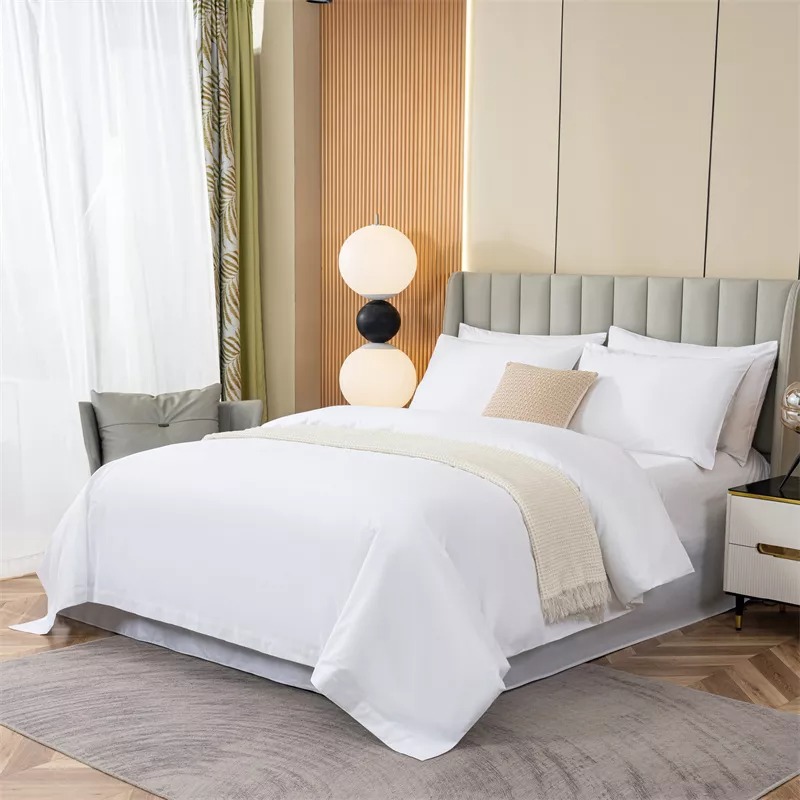
Beyond basic layering, hotels use additional techniques to maintain comfort and presentation.
Triple sheeting places a duvet or blanket between two flat sheets. This design allows hotels to wash sheets frequently while washing duvet covers less often.
The structure works like this:
Layer Position | Component |
Bottom Layer | Fitted sheet |
Second Layer | Flat sheet |
Middle Layer | Duvet or blanket |
Top Layer | Flat sheet |
This arrangement protects bedding inserts while keeping guests comfortable.
A slight fold at the head of the bed creates the welcoming look guests recognize instantly.
It adds depth and structure to the bedding.
Even the best bedding requires routine care.
Hotels maintain beds by:
● Fluffing pillows daily
● Straightening sheets
● Smoothing the duvet
These simple steps keep hotel bedding sets looking fresh every day.
Many luxury hotels introduce a gentle scent to reinforce comfort.
Common methods include:
● Linen sprays
● Scented laundry detergents
● Room fragrance systems
A light scent enhances the overall sleep experience without overpowering the room.
Selecting the right bedding set simplifies both design and maintenance.
Most hotel bedding sets contain coordinated components such as:
● Fitted sheets
● Flat sheets
● Duvet covers
● Pillowcases
Some sets also include pillow shams or decorative elements.
A coordinated bedding system offers several advantages:
● Consistent room presentation
● Faster housekeeping processes
● Simplified inventory management
Many hotels use hotel collection bedding sets designed specifically for hospitality environments.
Professional suppliers help hotels maintain consistency and durability.
For example, Easton provides integrated hotel room solutions including bed linens, bathroom products, and guest amenities. Their hotel bedding sets focus on durability, color harmony, and standardized sizing.
These systems help hotels maintain the same bedding experience across multiple rooms or properties.
Tip: When choosing suppliers, look for products designed specifically for hospitality use. They usually withstand frequent laundering better than retail bedding.
Creating hotel bedding at home does not require complicated steps. It begins with a clean mattress base, followed by smooth sheets and a properly layered duvet. Tight hospital corners keep the bed structured and neat, while well-arranged pillows add balance and comfort. Decorative elements such as a bed runner or accent cushions help complete the elegant hotel look.
When these steps come together, the result closely resembles luxury hotel bedding used in professional hospitality settings. Consistent care and quality materials keep the bed fresh and inviting each day. Companies like Guangzhou Easton Hotel Supplies Co., Ltd. support this experience by providing durable bedding systems designed for hotels. Their products combine reliable fabrics, coordinated designs, and stable construction, helping properties and homeowners create comfortable, professional hotel bedding sets that deliver lasting value and consistent sleep quality.
A: Hotel bedding refers to the layered system of sheets, duvets, and pillows used in hotels to create a crisp and comfortable sleep surface. It usually includes breathable cotton sheets, structured pillow arrangements, and tight hospital corners. This setup keeps the bed smooth and balanced, which is why hotel quality bedding often feels more luxurious than typical home bedding.
A: Start with a mattress protector and topper, then add a fitted sheet and two flat sheets using the triple-sheet method. Place a duvet between the sheets and tuck everything using hospital corners. Finish with neatly arranged pillows and a throw at the foot of the bed. These steps help create the clean and inviting look of best hotel bedding.
A: Most hotel bedding sets include a fitted sheet, flat sheet, duvet cover, and pillowcases. Some hotel collection bedding sets also include pillow shams or decorative accessories. These coordinated items help maintain consistent style and make the bed easier to prepare.
A: Hotels prefer white hotel bedding because it highlights cleanliness and creates a bright, elegant look. White sheets also make it easier for housekeeping teams to spot stains during cleaning, which helps maintain hygiene standards associated with luxury hotel bedding.
A: High-quality cotton fabrics are commonly used in hotel bedding. Percale cotton offers a crisp, cool feel, while sateen cotton provides a smoother and slightly softer surface. Both materials are durable enough for frequent washing and help create comfortable hotel quality bedding.
A: Hotels maintain hotel bedding by smoothing sheets, fluffing pillows, and tightening corners daily. Many also use triple sheeting to simplify laundry routines. This routine care helps keep luxury hotel bedding looking fresh and structured for every guest.


