

Views: 0 Author: Site Editor Publish Time: 2026-03-11 Origin: Site
Guests rarely remember the brand of bathroom fixtures in a hotel room, but they often remember the feeling of a towel in their hands. A towel that feels soft, absorbs water quickly, and looks clean and elegant immediately communicates quality. In contrast, a thin or rough towel can weaken the overall impression of even the most beautifully designed bathroom. For this reason, Bath Linen has become one of the most important sensory elements in modern hotel rooms. Towels, face cloths, and other bathroom textiles now play a direct role in shaping guest comfort, brand perception, and operational standards.
Luxury hospitality today places increasing emphasis on the tactile experience of textiles. Bath linen is no longer treated as a simple necessity but as a visible indicator of the hotel's quality standards. Modern hotels are paying closer attention to towel weight, absorbency, durability, and visual consistency. Understanding the latest bath linen trends helps hotels create bathrooms that feel both comfortable and refined while maintaining efficient operations.
One of the first things guests interact with in the bathroom is a towel. Its softness, thickness, and freshness create an immediate impression. Guests instinctively evaluate whether the towel feels luxurious or merely functional.
A plush and absorbent towel suggests attention to detail and comfort. Hotels that invest in high-quality bath linen often see this reflected in positive guest feedback and reviews. The tactile experience of a towel becomes a silent signal of hospitality quality.
Cleanliness is equally important. Crisp white towels, neatly folded and well-presented, reassure guests that the room has been carefully prepared.
Modern travelers increasingly share their experiences online. Small details such as soft towels or comfortable bedding often appear in guest reviews because they directly affect comfort.
Hotels aiming to create memorable stays recognize that textiles influence these impressions. Towels that feel luxurious encourage guests to associate the property with relaxation and care.
When bath linen meets both comfort and aesthetic expectations, it strengthens the overall perception of the hotel experience.
Hotels invest heavily in visual design to create recognizable brand identities. Bath linen has become part of this strategy.
Consistent color, fabric texture, and stitching details help reinforce the visual language of the hotel. Some properties maintain classic white linen for a clean and trustworthy appearance, while others incorporate subtle embroidery or textured borders to reflect their brand style.
Through thoughtful linen selection, hotels communicate quality without relying on words.
In hospitality textiles, GSM, which refers to grams per square meter, is widely used to measure towel weight. Higher GSM towels tend to feel thicker and more luxurious, making them popular in upscale hotels.
Guests often associate heavier towels with higher quality. When a towel feels dense and soft, it enhances the sense of indulgence during daily routines such as showering or washing.
Luxury hotels frequently select towels within a higher GSM range to ensure that guests perceive the bathroom environment as premium.
However, weight alone does not define quality. Some towels appear thick but fail to absorb water effectively or become stiff after repeated washing.
True hospitality-grade bath linen balances softness, absorbency, and durability. The towel should feel plush while still drying quickly and maintaining its texture after commercial laundering.
Selecting well-constructed textiles ensures that the towel remains comfortable even after hundreds of wash cycles.
Hotels must also consider operational factors when selecting GSM levels. Extremely heavy towels may take longer to dry and require more energy during laundry processes.
Many properties therefore choose a balanced GSM range that delivers a luxurious feel while maintaining efficient laundry operations. This approach allows hotels to provide comfort without increasing operational costs.
Guests expect a towel to absorb moisture quickly without needing repeated use. A towel that spreads water rather than absorbing it creates frustration and weakens the sense of quality.
Modern bath linen is designed with fiber structures that enhance absorbency. High-quality cotton fibers allow water to be absorbed efficiently while maintaining softness.
Effective absorbency improves the overall functionality of bathroom textiles.
Commercial hotels wash towels frequently. Weak stitching or unstable dyes can cause towels to fray or fade after repeated washing.
Strong hems help maintain towel structure even after heavy use. Reinforced edges prevent unraveling and extend the product’s service life.
Color stability is also important. Towels should maintain their brightness and appearance even after numerous laundry cycles.
Durable textiles do more than reduce replacement costs. They ensure that guests consistently encounter fresh-looking and well-maintained towels.
When bath linen retains its shape and softness, it contributes to a reliable and comfortable experience for every guest.
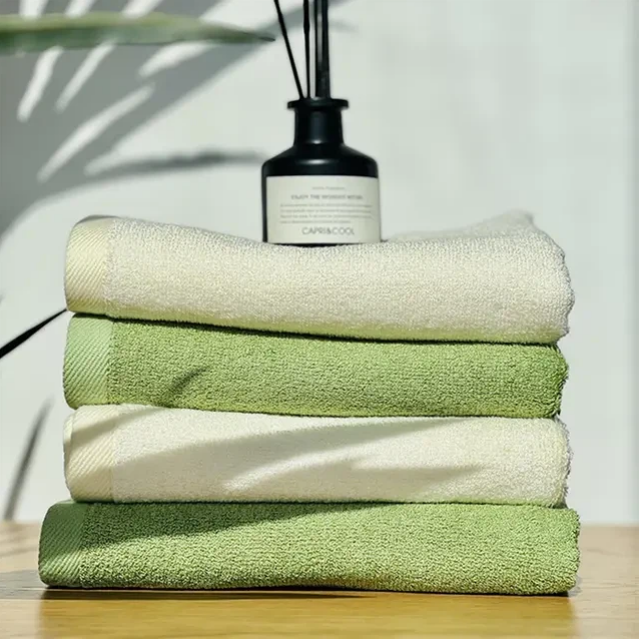
White bath linen remains the most widely used option in hospitality. The color communicates cleanliness, freshness, and simplicity.
Guests often associate white towels with hygiene because stains and imperfections are easily visible. This transparency builds trust between the hotel and its guests.
For this reason, many hotels continue to rely on white textiles as the foundation of their bathroom presentation.
While simplicity remains important, small design details allow hotels to add character to their linens. Dobby borders, textured edges, or subtle patterns provide visual interest without overwhelming the minimalist look.
These design elements allow hotels to differentiate their brand while maintaining the elegance of white textiles.
Minimalist design creates a sense of order and calm in hotel bathrooms. Towels arranged neatly on racks or shelves contribute to this aesthetic.
The simplicity of white linen combined with subtle textures enhances the perception of luxury without appearing overly decorative.
Sustainability has become an important topic in hospitality operations. Many hotels are exploring environmentally responsible materials for their textiles.
Cotton sourced from responsible farming practices and improved production processes can help reduce environmental impact. These materials allow hotels to align with sustainability initiatives without compromising quality.
Luxury hospitality increasingly incorporates environmental awareness. Guests appreciate hotels that combine comfort with responsible practices.
Using durable textiles that last longer also contributes to sustainability because it reduces waste and replacement frequency.
By selecting well-made bath linen, hotels support both operational efficiency and environmental responsibility.
Transitioning to improved bath linen does not necessarily require a complete replacement of existing stock. Hotels often upgrade gradually during renovation cycles or scheduled replenishment periods.
This approach allows properties to enhance quality while maintaining smooth operations.
Modern hotel bathrooms increasingly feature coordinated textile programs. Towels, bathrobes, and slippers often share similar fabrics or visual styles.
This coordination creates a cohesive environment where every element contributes to the guest experience.
Hotel groups operating multiple locations benefit from standardized linen specifications. Standardization ensures consistent guest experiences across properties.
It also simplifies procurement and inventory management.
Coordinated linen programs streamline operational processes. When products share similar specifications, storage and distribution become more efficient.
Housekeeping teams can manage inventory more easily, ensuring that rooms are consistently stocked with fresh textiles.
Trend | What Guests Notice | What Operators Care About | Best Fit Property Type | Product Implication |
Higher GSM Towels | Soft and plush texture | Laundry efficiency | Luxury hotels | Premium cotton towels |
Minimalist White Linen | Clean and elegant look | Easy maintenance | Business and luxury hotels | Classic white textiles |
Textured Borders | Subtle decorative detail | Brand differentiation | Boutique hotels | Dobby or patterned hems |
Sustainable Materials | Responsible hospitality image | Reduced replacement cycles | Eco-conscious properties | Durable cotton fibers |
Luxury bath linen trends in modern hospitality are no longer defined simply by thicker towels or higher prices. Instead, hotels are focusing on a balanced combination of softness, absorbency, durability, and visual consistency. When these elements work together, bath linen becomes an important part of both guest comfort and brand presentation.
Easton Hotel Supplies specializes in providing complete room solutions for the hospitality industry, including carefully designed bath linen programs that meet the operational needs of modern hotels. With a wide range of towel weights, reinforced construction, and consistent manufacturing standards, our products help hotels maintain high-quality bathroom experiences across multiple properties. If your hotel is planning renovations or new projects, our team can help you explore tailored solutions and discover premium hotel bath towels that align with modern hospitality expectations.
Contact us today to learn more about customizable bath linen programs and complete hotel room solutions.
Luxury hotels often use towels within a higher GSM range because they feel thicker and more comfortable. However, the ideal GSM should also consider laundry efficiency and drying time.
White towels create a strong impression of cleanliness and allow hotels to maintain a consistent, elegant appearance. They also make stains easier to detect during laundering.
Durability depends on strong hems, quality cotton fibers, and proper laundering procedures. Using well-constructed towels helps maintain softness and appearance over time.
Coordinated programs allow hotels to align towels, bathrobes, and slippers with the same visual and quality standards. This improves guest experience while simplifying procurement and inventory management.


