

Views: 0 Author: Site Editor Publish Time: 2026-03-13 Origin: Site
Have you ever slept in a hotel and wondered why the pillow feels perfect? Many travelers notice it on the first night. Hotel pillows often feel softer, fuller, and more supportive than the ones at home. This common experience raises an interesting question. Why are hotel pillows so comfortable compared with regular pillows? The answer involves more than softness alone. Hotels carefully combine premium materials, smart pillow design, and consistent care routines to create better sleep.
In this article, we explore what makes hotel pillows so comfortable. You will learn about pillow fillings, construction methods, maintenance habits, and the role of hospitality suppliers like Easton in delivering reliable comfort across hotel rooms worldwide.
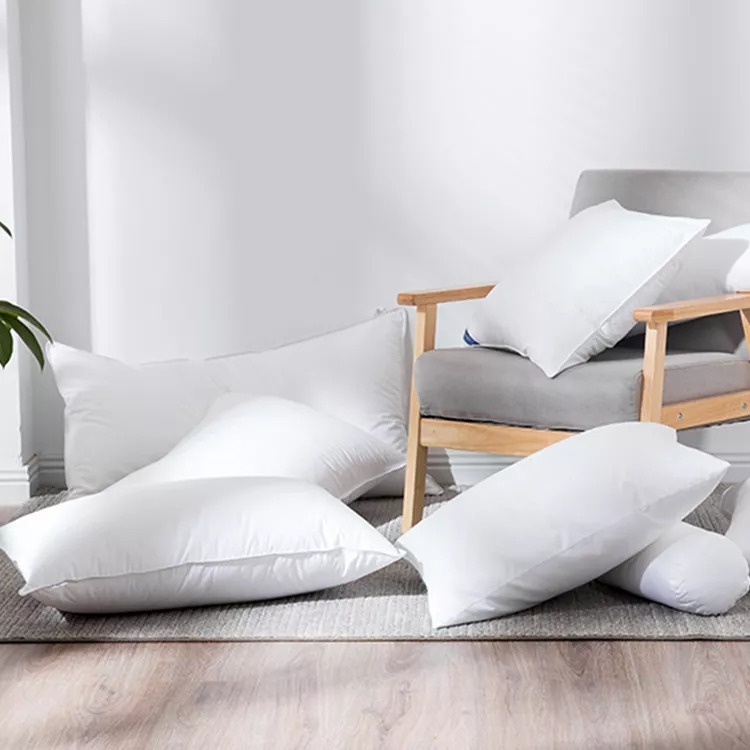
The comfort of luxury hotel pillows comes from a combination of materials, structure, and attention to sleep ergonomics. Hotels invest in these details because sleep quality strongly influences guest satisfaction.
The filling inside the pillow plays the biggest role in its comfort.
Hotels typically use several high-quality materials:
● Down and feather blends – soft, airy, and responsive
● Microfiber or hollowfiber fills – hypoallergenic and plush
● Down alternatives – mimic natural softness while staying easy to maintain
Down clusters create a cloud-like softness. Feathers add gentle structure so the pillow does not collapse. This blend gives hotel collection pillows their famous balance between softness and support.
Microfiber options also perform well. They provide similar comfort but resist allergens and are easier to clean. Many hotels choose them to accommodate guests with sensitivities.
Another advantage of these materials is breathability. Air moves easily through the pillow, helping regulate temperature during sleep.
One reason best hotel pillows feel so comfortable is their careful balance between softness and structure.
A pillow that is too soft causes neck strain. A pillow that is too firm feels rigid and uncomfortable.
Hotel pillows often solve this through layered construction:
● Soft outer filling cushions the head
● Supportive inner filling stabilizes the neck
This structure keeps the spine aligned while maintaining a plush surface.
Good alignment reduces pressure on the neck and shoulders. As a result, guests fall asleep faster and wake up with fewer aches.
Another difference between home pillows and hotel style pillows is size.
Hotels frequently use:
Pillow Type | Size (Approx.) | Purpose |
Standard Pillow | 50 × 75 cm | Everyday sleeping comfort |
Queen Pillow | 50 × 80 cm | Balanced support |
King Pillow | 50 × 90 cm | Extra luxury and flexibility |
Euro Pillow | 65 × 65 cm | Lounge support and decorative layering |
Larger pillows allow more movement during sleep. Guests can change positions without losing support.
Hotels also layer multiple pillows on the bed. This creates a flexible sleep setup for different preferences.
The pillow cover also affects comfort.
Most luxury hotel pillows use high-thread-count cotton covers, which offer several benefits:
● Smooth and soft texture
● Improved breathability
● Reduced friction against skin and hair
Cotton naturally regulates temperature. It absorbs moisture and allows airflow, which helps maintain a comfortable sleeping environment.
This small detail significantly enhances the overall feel of hotel bedding.
Many premium hotel pillows use a pillow-in-a-pillow design.
This structure includes:
● A supportive inner chamber
● A softer outer layer
The inner core maintains shape. The outer layer provides softness.
Together they create a pillow that feels plush but remains supportive through the night.
Loft refers to the pillow’s height and fullness. High-quality fillings maintain loft while remaining flexible. When compressed during sleep, they quickly rebound once pressure is removed. This resilience keeps hotel pillows feeling fresh and fluffy even after repeated use.
Fabric selection matters just as much as the filling. Most hotel style pillows use breathable cotton or microfiber covers. These materials:
● Allow airflow
● Prevent overheating
● Improve moisture control
This helps guests stay comfortable through the night.
The edges of a pillow are often finished with piping, a reinforced seam around the border.
This design provides two benefits:
● It improves durability.
● It helps the pillow maintain its shape.
In high-traffic environments such as hotels, durability is essential.
Hospitality bedding must perform well under frequent use and cleaning. Manufacturers like Easton design hotel bedding products specifically for this environment. Their pillows and bedding systems focus on:
● durable construction
● consistent comfort
● long-term reliability
Because hotels replace and clean bedding regularly, quality manufacturing ensures pillows remain supportive over time.
Note: Hospitality bedding must balance comfort and durability. Products designed for hotels often outperform standard retail pillows because they are engineered for heavy use.
Materials alone do not explain the comfort of hotel pillows. Daily maintenance also plays a key role.
Housekeeping staff routinely fluff pillows during room cleaning. This quick step helps restore volume and maintain a fresh, inviting bed appearance. By gently pressing and shaking the pillow, the filling redistributes evenly and the pillow regains its natural loft.
Regular fluffing prevents:
● lumps
● flattening
● uneven support
After fluffing, the pillow regains its original shape and feels more supportive for the next guest. This small daily habit helps maintain the plush, comfortable look associated with well-prepared hotel beds.
Hotels also rotate pillows between rooms or beds to extend their usable life. Rotation distributes pressure evenly across the pillow inventory and prevents certain pillows from wearing out faster than others.
This strategy ensures guests experience consistent comfort in every room, while also helping housekeeping teams maintain bedding quality over time.
Tip: Rotating and fluffing pillows weekly at home can extend their lifespan and maintain hotel-like comfort.
Most households keep pillows for several years before replacing them. Hotels follow a much stricter replacement schedule. Depending on usage levels and occupancy rates, many hotels replace pillows every 12–24 months to maintain consistent comfort.
Newer pillows naturally maintain:
● better loft
● stronger support
● cleaner surfaces
Guests therefore experience pillows close to their original condition.
Fresh pillows feel softer, fuller, and more responsive to movement. Hotels prioritize this level of comfort because sleep quality strongly influences guest satisfaction ratings and reviews.
By replacing pillows on a regular schedule, hotels ensure that each guest enjoys a comfortable and supportive sleep environment. This attention to detail helps maintain the relaxing, “like-new” bedding experience travelers often associate with high-quality hotels.
Hotels place protective covers between the pillow and the pillowcase. These protectors act as an invisible shield that protects the pillow from daily wear and moisture exposure.
These protectors act as a barrier against:
● moisture
● dust mites
● allergens
Because of this extra layer, the pillow stays cleaner for a much longer time. It also reduces the need for frequent pillow replacement.
Pillow protectors are designed to be easy to remove and wash. Hotels clean these layers regularly as part of their housekeeping routines. This frequent washing ensures the sleep surface remains hygienic and comfortable.
Guests benefit from a fresher pillow every time they check in. The pillowcase alone cannot provide this level of protection.
Many pillow protectors use soft cotton, microfiber, or blended fabrics. These materials add a subtle layer of cushioning between the sleeper and the pillow core.
Even though the layer is thin, it improves the overall sleep experience. The fabric feels smooth and breathable while protecting the pillow structure underneath. Small details like this help create the plush and relaxing sensation commonly associated with luxury hotel pillows.
Hotels invest heavily in sleep comfort because it directly affects guest reviews and return bookings.
Luxury hotels allocate significant budgets for bedding. High-quality materials and durable construction help maintain comfort even after repeated use and laundering.
Hotels typically choose hotel style pillows, breathable fabrics, and supportive fillings that maintain their shape over time. Premium bedding also enhances the visual appearance of the bed, creating the inviting and plush look guests expect when entering a hotel room.
Comfortable sleep often becomes one of the most memorable aspects of a hotel stay, which is why many hotels prioritize bedding upgrades as part of their guest satisfaction strategy.
Different sleepers require different levels of support. Hotels recognize that one pillow type cannot suit everyone. To accommodate this, many properties offer multiple pillow options designed for different sleep positions.
Common pillow choices include:
Sleeper Type | Recommended Pillow | Reason |
Side sleepers | Firm pillow | Supports neck alignment |
Back sleepers | Medium pillow | Balances comfort and support |
Stomach sleepers | Soft pillow | Reduces neck pressure |
Some hotels even provide pillow menus so guests can choose their preferred comfort level.
Maintaining consistent comfort across hundreds or thousands of rooms requires reliable supply systems. Many hotels work with specialized hospitality suppliers that provide standardized bedding solutions.
Companies such as Easton supply coordinated bedding sets designed specifically for hotel operations. These systems simplify procurement, ensure consistent quality, and help properties maintain the same sleep experience in every room. As a result, guests can expect similar levels of comfort regardless of which room they stay in.
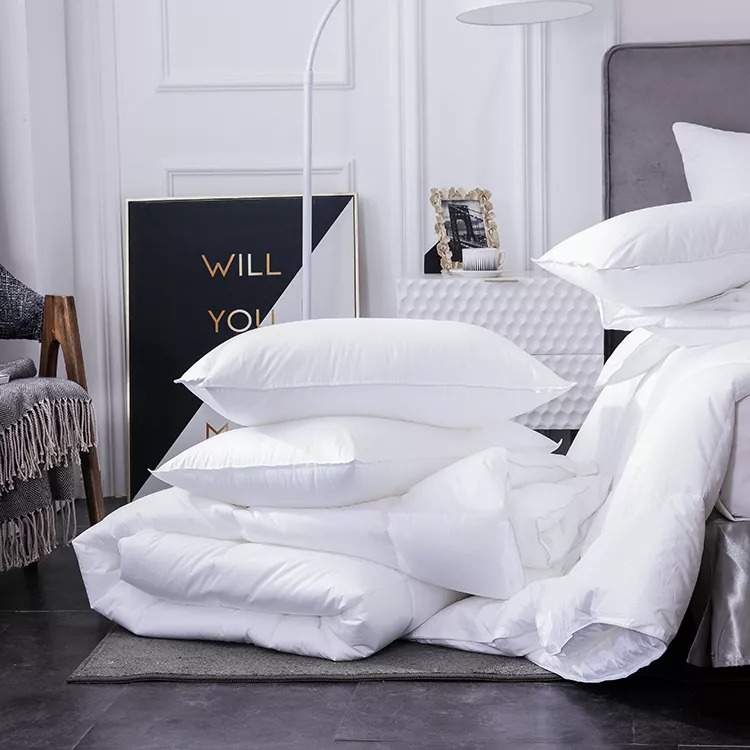
The good news is that you can recreate the comfort of hotel pillows at home with a few smart choices.
Selecting the right pillow filling is one of the easiest ways to recreate the comfort found in hotels. Hospitality environments usually choose materials that balance softness, support, and durability. These fillings maintain shape after repeated use and provide the plush feel guests expect from premium bedding.
Look for pillows filled with:
● down and feather blends
● premium microfiber
● high-quality down alternatives
These materials provide the plush feel found in best hotel pillows.
The outer fabric of the pillow also plays an important role in comfort. Hotels typically use pillowcases made from breathable cotton fabrics. Higher thread counts create a smoother surface while still allowing airflow.
Cotton covers help regulate temperature during sleep. They also enhance the soft feel of the pillow and reduce friction between the pillowcase and the filling. This combination improves overall sleep comfort and contributes to the clean, crisp bedding appearance often seen in hotel rooms.
Even the best pillows require routine care to maintain their comfort and support. Hotels follow structured maintenance routines to keep pillows fresh and comfortable for every guest.
Simple habits can extend pillow comfort:
● fluff pillows daily to redistribute the filling
● wash pillow protectors regularly to maintain hygiene
● replace pillows every 1–2 years depending on usageThese practices help preserve pillow structure and cleanliness, making it easier to recreate the relaxing feel of luxury hotel pillows in a home bedroom.
So, why are hotel pillows so comfortable? The answer comes from thoughtful design and careful daily care. Hotels choose premium fillings, breathable fabrics, and balanced structures to create pillows that feel soft yet supportive. Regular fluffing, protective covers, and timely replacement keep pillows fresh, full, and comfortable for every guest.
Reliable suppliers also support this sleep experience. Guangzhou Easton Hotel Supplies Co., Ltd. develops hospitality bedding designed for durability and consistent comfort. Their hotel bedding solutions help properties maintain high standards across many rooms while simplifying procurement. Through quality materials, stable construction, and professional service, their products help hotels deliver the restful sleep guests expect. With the right pillow design and proper care, the relaxing comfort of hotel-style sleep can be enjoyed far beyond the hotel room.
A: Hotel pillows feel better because hotels use premium materials and thoughtful construction. Many luxury hotel pillows contain down, feather blends, or microfiber fills that balance softness and support. Hotels also maintain pillows through regular fluffing, cleaning, and replacement, which keeps them fresh and full.
A: Most hotel pillows use high-quality fillings such as down, feather, hollowfiber, or microfiber. These materials allow airflow and provide resilience. Many hotel collection pillows combine soft outer layers with supportive inner cores to maintain comfort throughout the night.
A: Hotels maintain hotel style pillows through daily housekeeping routines. Staff fluff pillows regularly, rotate them between rooms, and use protective covers. These practices help hotel pillows maintain their loft, softness, and shape for longer periods.
A: Yes. Luxury hotel pillows usually feature better fillings, higher-quality fabrics, and stronger stitching. Many also include layered construction that improves neck support. Compared with typical household pillows, best hotel pillows maintain comfort and structure longer.
A: Yes, many suppliers sell hotel style pillows designed for residential use. These pillows often use the same materials found in hotel pillows, such as down alternatives or microfiber, allowing people to recreate the hotel sleep experience at home.
A: Hotels usually replace hotel pillows every one to two years depending on usage. Frequent replacement keeps best hotel pillows fresh, hygienic, and supportive, ensuring guests enjoy consistent comfort during every stay.


